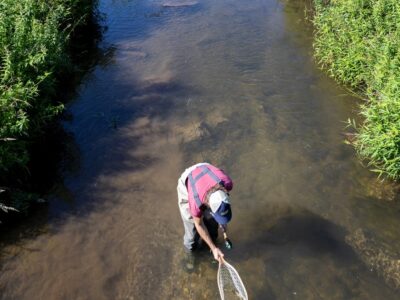
The Gallatin River is a blue-ribbon trout stream just a short drive from Bozeman, Montana. Known for its pristine waters, dramatic mountain scenery, and excellent fly fishing, the Gallatin offers anglers everything from technical dry fly fishing to streamer-eating browns. Whether you’re a seasoned angler or just getting started, this freestone gem has something for everyone.
Understanding the Gallatin River
The Gallatin is divided into three distinct sections, each with its own character:
Upper Gallatin (Yellowstone National Park to Big Sky)
The smallest and most remote section. Headwater fishing with smaller wild trout in stunning alpine scenery. Access is limited, but the solitude is worth it.
Middle Gallatin (Big Sky to Manhattan)
This is the heart of Gallatin fly fishing. Deep pools, classic riffles, and productive runs make this the most popular section for wade fishing. Rainbow and brown trout thrive here, and public access is plentiful. Most guided trips focus on this stretch.
Lower Gallatin (Manhattan to Three Forks)
The lower section flows through farmland before joining the Jefferson and Madison Rivers to form the Missouri River at Three Forks. Less technical, but still productive water.
For most anglers, the middle Gallatin between Big Sky and Manhattan offers the best combination of access, scenery, and fish.
When to Fish the Gallatin River
Timing matters on the Gallatin. This is a freestone river, so conditions change with the seasons.
Spring (April-May)
Pre-runoff fishing can be excellent, but timing is tricky. Once runoff hits (usually late May), the river blows out and becomes unfishable until early July.
Summer (July-August)
Once runoff clears, the Gallatin fishes well—but there’s a catch. Summer water temperatures can climb, and the river is often placed on hoot owl restrictions, meaning fishing closes from 2 PM until midnight to protect stressed trout. Fish early mornings and evenings during hoot owl periods.
Fall (September-October)
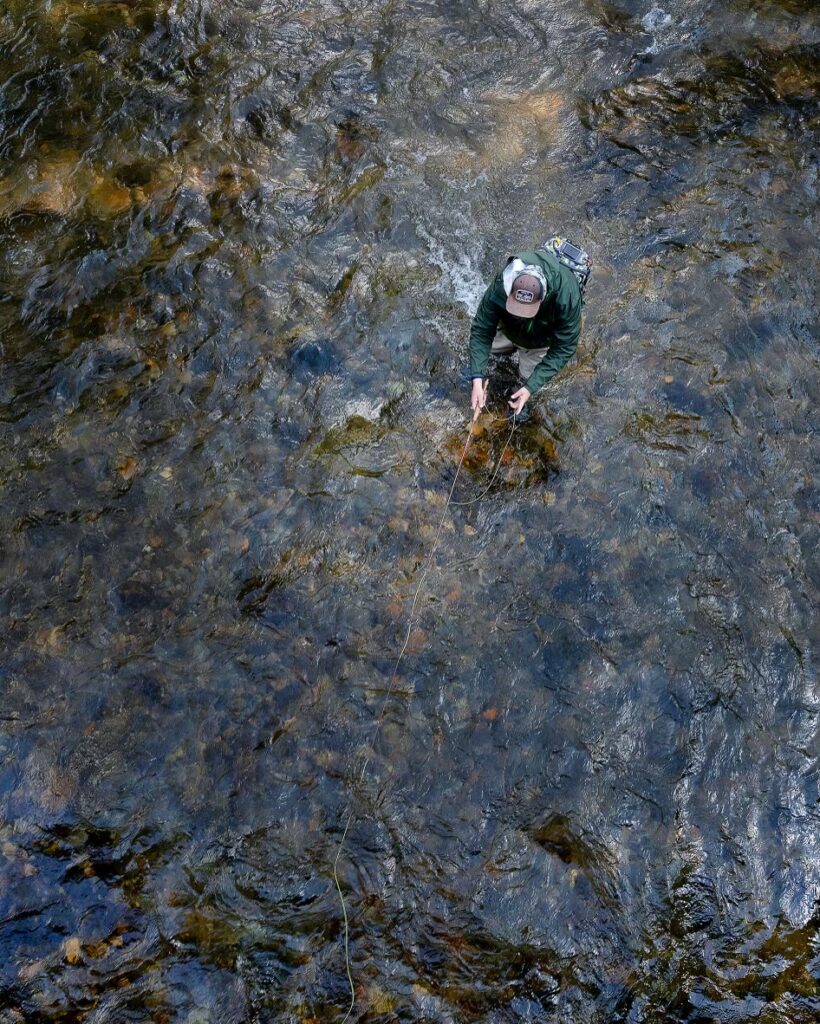
Fall is prime time on the Gallatin. Cooler water temps, fewer crowds, and aggressive trout make this the best season. Brown trout become more active as they prepare for spawning, and dry fly fishing can be spectacular.
Winter
Winter fishing is possible during mild stretches, but most anglers shift to tailwaters like the Missouri during the coldest months.
Gear for the Gallatin River
Rod and Line
A 9-foot, 5-weight rod is the standard for the Gallatin. It handles dry flies, nymphs, and smaller streamers with ease.
Wading Gear
The Gallatin’s cobble bottom can be slippery. Studded boots are essential, and a wading staff is highly recommended. The current is fast in many sections, so be careful when crossing.
Flies for the Gallatin River
The Gallatin is a dry fly river at heart, but nymphs and streamers have their place.
Dry Flies
Dry fly fishing on the Gallatin is outstanding during summer and fall. Key patterns include:
- Hoppers (#8-12): July through September, especially on windy afternoons
- Caddis (#14-16): Evening hatches throughout the summer
- Mayflies (PMDs, BWOs): Pale Morning Duns in summer, Blue-Winged Olives in fall
- Attractor Dries (Stimulators, Chubby Chernobyls): Great searching patterns
Nymphs
When fish aren’t rising, go subsurface. Productive patterns:
- Stonefly Nymphs (#6-10): Year-round staple
- Pheasant Tail (#14-18): Classic mayfly nymph
- Copper John (#14-16): Attractor nymph that works everywhere
- Hare’s Ear (#12-16): Another reliable all-around pattern
Streamers
Fall is streamer season on the Gallatin. Big brown trout move into shallower water and become aggressive. Try:
- Woolly Buggers (#6-10): Black, olive, or brown
- Sculpins (#4-8): Imitate the river’s abundant sculpin population
- Articulated Streamers: For targeting the biggest browns
Fishing Pressure and Etiquette
The Gallatin gets busy during summer, especially on weekends. If you find someone already fishing a run, move on—there’s plenty of water. Early mornings and weekdays are less crowded.
Respect private property. The riverbed is public, but you can’t cross private land to access it unless there’s a designated fishing access site.
Why Fish the Gallatin with a Guide?
The Gallatin is accessible to wade anglers, but a guide can make a huge difference. Local knowledge—knowing which runs are holding fish, what flies are working, and how to safely navigate the river—turns a good day into a great one. Guides also handle logistics like shuttles, gear, and access permits.
If you’re new to freestone fishing or unfamiliar with the Gallatin, hiring a guide is money well spent.
Combine Your Trip with the Missouri River
Many anglers visiting Montana want to experience both freestone and tailwater fishing. The Gallatin offers classic freestone action with pocket water and fast currents, while the nearby Missouri River delivers technical tailwater fishing with larger fish and more consistent conditions.
If you’re planning a multi-day trip, consider splitting your time between the two. We guide both rivers and can design a trip that gives you the best of both worlds.
Ready to Fish the Gallatin River?
The Gallatin River is one of Montana’s most beautiful and rewarding fly fishing destinations. With stunning scenery, excellent trout populations, and diverse fishing opportunities, it’s a river every angler should experience.