
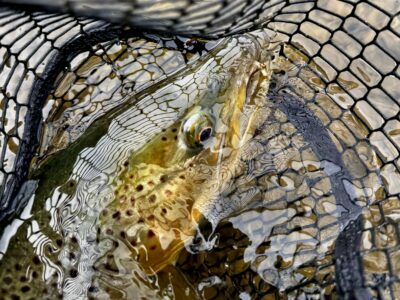
The Missouri River below Hauser Dam consistently produces trophy trout exceeding 24 inches , some of Montana’s largest wild fish. What makes this four-mile stretch so productive? Understanding the unique conditions that create this fishery helps anglers appreciate why this section deserves its legendary reputation.
The Tailwater Advantage
Tailwater fisheries like the Missouri River below Hauser Dam benefit from controlled flows and consistent water temperatures released from the dam. Unlike freestone rivers that fluctuate wildly with snowmelt and weather, Hauser Dam releases maintain stable conditions year-round.
Why This Matters for Trophy Trout:
Cold water temperatures increase dissolved oxygen levels and allow trout to feed actively throughout the year. Consistent flows create predictable habitat, deep pools, structured runs, and reliable food sources that support large fish.
The nutrient-rich water flowing from Hauser Reservoir carries abundant food. Scuds, sow bugs, and mysis shrimp thrive in these conditions, providing high-protein meals that fuel rapid growth. Trophy trout don’t happen by accident, they require consistent food, optimal water temperatures, and stable habitat. This section provides all three.
Food Sources That Grow Giants
Scuds and Sow Bugs
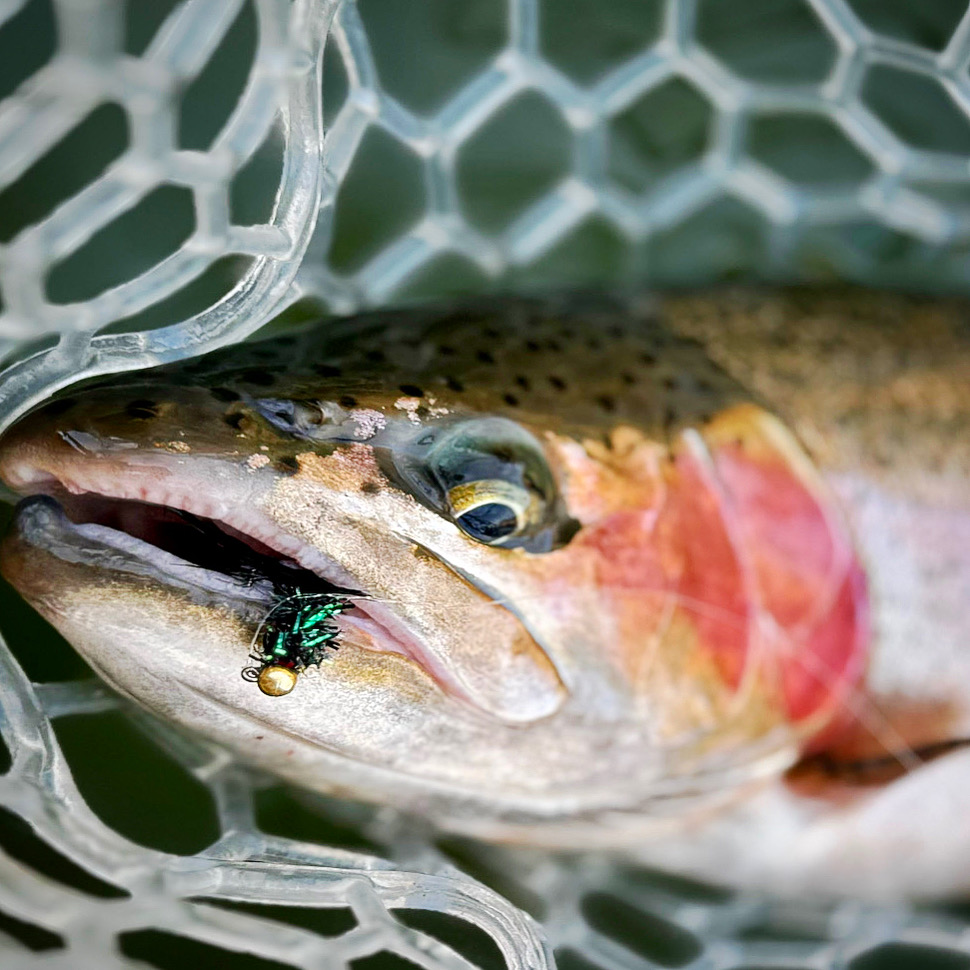
The Missouri River below Hauser Dam contains exceptional populations of freshwater amphipods (scuds) and isopods (sow bugs). These crustaceans are calorie-dense food sources that trout consume year-round. Unlike mayflies or caddis that hatch seasonally, scuds and sow bugs are always available.
Trout feeding heavily on these invertebrates grow quickly and maintain excellent body condition even during winter when insect hatches are minimal. The constant availability of high-quality food is a primary reason this section produces fish significantly larger than typical Missouri River trout.
Baitfish
Trophy trout become increasingly piscivorous (fish-eating) as they grow larger. The presence of whitefish, perch, and juvenile trout provides substantial meals for the river’s apex predators. Brown trout exceeding 20 inches often feed primarily on smaller fish, explaining why streamer fishing is so effective in this section.
Seasonal Hatches
While the river is primarily a nymphing fishery, late spring through early fall brings mayfly and caddis hatches. Pale Morning Duns, Callibaetis, and various caddis species provide surface-feeding opportunities for trophy trout willing to risk exposure for an easy meal.
Structure and Habitat
The four-mile stretch from Hauser Dam to Upper Holter Lake offers diverse habitat that concentrates large fish:
Deep Pools: Trout seek security in deep water during bright conditions. Pools exceeding 15-20 feet provide refuge while allowing fish to monitor overhead activity for feeding opportunities.
Rocky Structure: Boulders, ledges, and rock formations create current breaks where trout can rest while intercepting drifting food with minimal energy expenditure.
Current Seams: Transition zones between fast and slow water concentrate food and provide ambush points for opportunistic feeding.
Shorelines: Erosion creates hiding spots along the banks where large browns lurk, especially during daylight hours.
Why Rainbow and Brown Trout Both Thrive
This section supports healthy populations of both species, each utilizing different niches:
Rainbow Trout are more active feeders, often holding in faster water and feeding aggressively during hatches. Rainbows in the 18-20 inch range are common, with fish exceeding 24 inches caught. Their aggressive nature makes them accessible to anglers using nymphs and streamers.
Brown Trout tend to be more reclusive, especially larger specimens. Trophy browns often feed primarily at dawn, dusk, and overnight, making them challenging targets during daylight hours. However, their predatory nature makes them susceptible to large streamers stripped through deep pools and along structure.
The coexistence of both species creates diverse fishing opportunities and ensures consistent action regardless of conditions.
Accessing This Unique Fishery
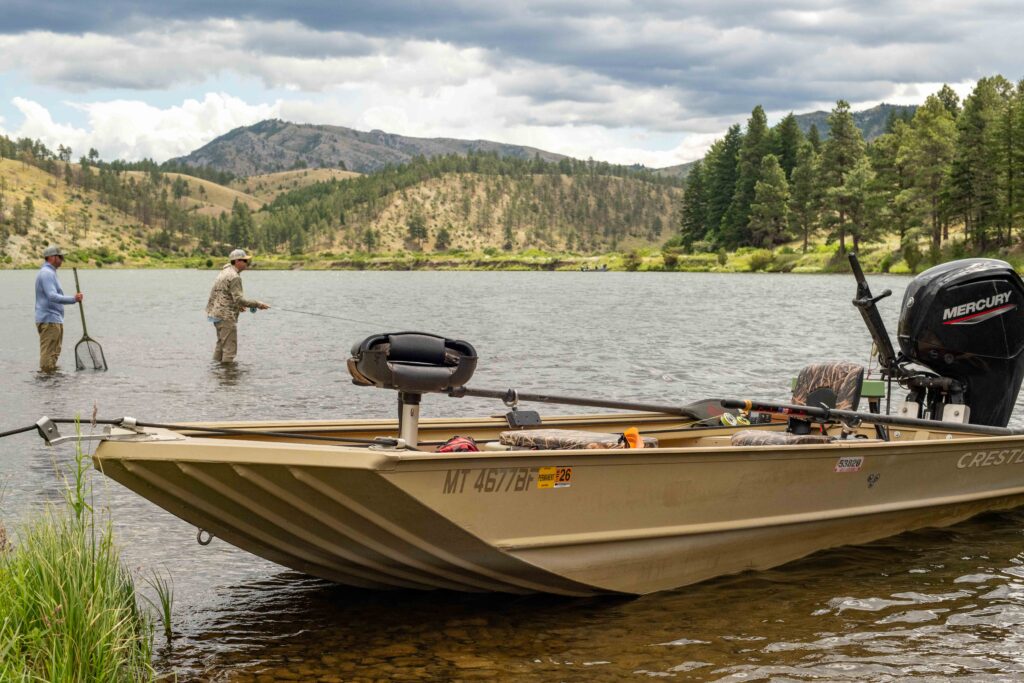
Unlike many Missouri River sections accessible from shore, this stretch requires watercraft. The dramatic Gates of the Mountains canyon creates limited wading access, making boats essential for fishing effectively.
Jet boats capable of navigating shallow water and strong currents are ideal for reaching productive areas. The combination of deeper pools and shallow runs demands specialized equipment—most anglers fish this section with experienced guides who understand the water and have appropriate boats.
For those interested in fishing this exceptional water, explore our Land of Giants jet boat trips designed specifically for this unique section.
Conservation: Protecting Trophy Trout
The Missouri River’s trophy trout population depends on careful stewardship. Montana regulations protect this fishery, but ethical angling practices are equally important:
Catch and Release: All trophy trout should be released carefully. These fish are too valuable to the fishery to harvest.
Barbless Hooks: Required in many sections and recommended everywhere, barbless hooks reduce handling time and fish stress.
Minimize Air Exposure: Large trout are particularly vulnerable when removed from water. Keep fish in the water for photos when possible, and limit air exposure to 10 seconds or less.
Proper Handling: Wet hands before touching fish, support their weight horizontally, and revive fish thoroughly before release.
These practices ensure trophy trout remain available for future anglers and maintain the health of this exceptional fishery.
Understanding What Makes Giants
Trophy trout don’t happen by accident. The Missouri River below Hauser Dam produces fish exceeding 24 inches because it provides everything large trout need:
- Optimal water temperatures year-round
- Abundant, high-quality food sources
- Stable flows creating predictable habitat
- Diverse structure providing security
- Sufficient space and depth for large fish
- Protection through regulations and ethical angling
Understanding these factors helps anglers appreciate this remarkable fishery and fish it more effectively. Whether targeting trophy rainbows with nymphs or pursuing giant browns with streamers, recognizing what makes this water special improves your approach and increases success.
Experience Trophy Trout Fishing
Fishing for Missouri River trophy trout requires specialized knowledge, appropriate equipment, and access to this unique section. Our Land of Giants jet boat trips provide USCG licensed access to this exceptional water with expert guides who fish it regularly.
Related Reading:
Ready to fish this water? Our Land of Giants jet boat trips run March through December.
(406) 465-1688.

 So You Want to Be a Fly Fishing Guide
Leave a Reply