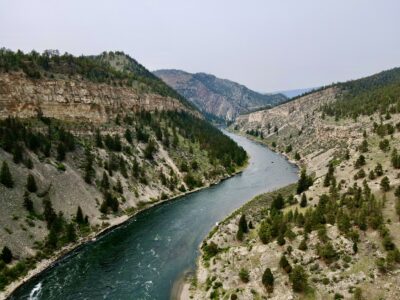
If you’ve ever dreamed of targeting big trout in Montana, the Land of Giants below Hauser Dam should be on your radar. Whether you’re a seasoned angler or looking for a new challenge, fly fishing the Land of Giants offers an experience unlike anything else in Montana.
This legendary stretch is a highly productive tailwater that flows through a breathtaking canyon before emptying into Holter Reservoir near the Gates of the Mountains Wilderness. Home to some of the largest trout in the entire Missouri River system, the Land of Giants has earned its reputation as a world-class destination for anglers in search of trophy trout.
━━━━━━━━━━━━━━━━━━━━━━━━━━━━━━━━━━━━━━━
Our guides know this section intimately. Come see it with them.
All Gear Included • Shore Lunch
$825 per boat (1-2 anglers) • Full day guided trip
CALL (406) 465-1688
━━━━━━━━━━━━━━━━━━━━━━━━━━━━━━━━━━━━━━━
Accessing the Land of the Giants Section
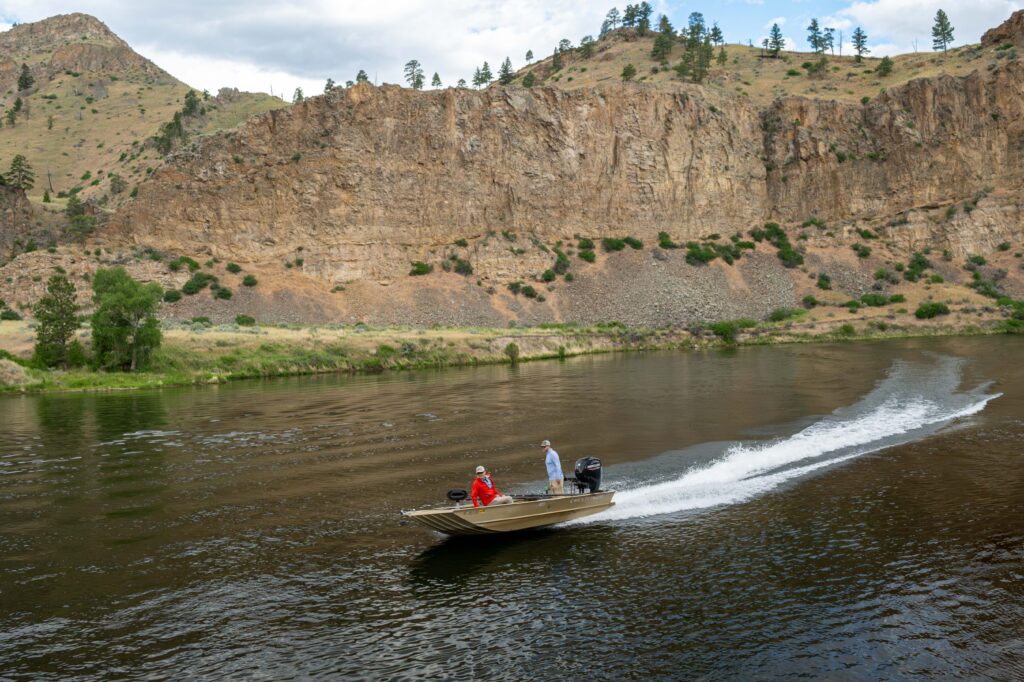
The most effective way to fish the Land of Giants is by jet boat, often called a power drifter. If you’ve never fished from one, think of it as the best of both worlds: the quiet presentation of a drift boat combined with the power and flexibility of a motor.
These specialized boats feature a shallow-draft jet system that allows us to navigate both Upper Holter Lake and the flowing river sections efficiently. We begin each trip by quickly crossing the lake to reach Hauser Dam, maximizing your time on the water rather than traveling.
Once we reach prime fishing water, your guide switches from motor to oars, rowing the boat just like a traditional drift boat. This gives you the stealthy, controlled approach essential for targeting trophy trout while maintaining positioning for perfect presentations.
What sets the jet boat apart is its versatility. Unlike a conventional drift boat that requires a shuttle and limits you to a one-way float, a jet boat can move upstream or downstream throughout the day. If we find actively feeding fish, we can work that area thoroughly. If conditions change, we can quickly relocate. This flexibility allows us to adapt to the fishing and maximize your opportunities to connect with trophy trout this section is known for.
The Land of Giants’ moderate current, deeper runs, and complex structure make the jet boat not just advantageous, but essential. Its shallow draft allows access to water other boats can’t reach.
Best Times to Fish the Land of the Giants
One of the best times to fly fish the Land of Giants is during the Pale Morning Dun , and Caddis hatches. These prolific hatches typically begin in late June and continue through August. During this period, the river comes alive with trout feeding on the surface, creating prime conditions for dry fly anglers. Pods of fish can be seen sipping in the slicks along the riverbanks all the way down to Holter Lake.
Where We Meet For Land of the Giants Guide Trips
For Land of Giants trips, we meet guests just outside of Helena at 3131 Gates of the Mountains Road. We’re one of just a handful of outfitters with permits to launch from this location, which means we can get you on the water quickly without the hassle of public boat ramps. You’ll have easy parking, and we’ll be launching directly into the upper lake—no wasted time, just more fishing.
Land of the Giants Fishing Seasons
The Land of Giants offers incredible trophy trout fishing opportunities from April through November. This unique stretch of the Missouri where lake and river meet, fishes differently than any other piece of water in Montana. Each season brings its own rhythm, shaped by trout behavior, water temperatures, and insect activity. Not to mention the bonus species like Northern Pike, Kokanee Salmon and Walleye.
Spring
kicks things off as the ice melts and the river wakes up. Rainbow trout begin their annual migration out of Holter Lake, pushing upriver to spawn below Hauser Dam. This movement concentrates fish and creates some of the most consistent fishing of the year. During this time, you’ll often find fish in classic tailouts and deeper runs, where nymphing can be exceptionally productive.
Summer
As summer settles in and the spawn wraps up, trout slide back into a steady feeding mode. Fish spread out between Holter Reservoir and the upper river system, no longer locked into spawning water and instead following the seasonal buffet of emerging insects. Caddis, Pale Morning Duns, and Callibaetis dominate the menu, offering more surface activity and longer feeding windows. With fish positioned in softer seams, flats, and along weed edges, sight-fishing opportunities increase.
Fall
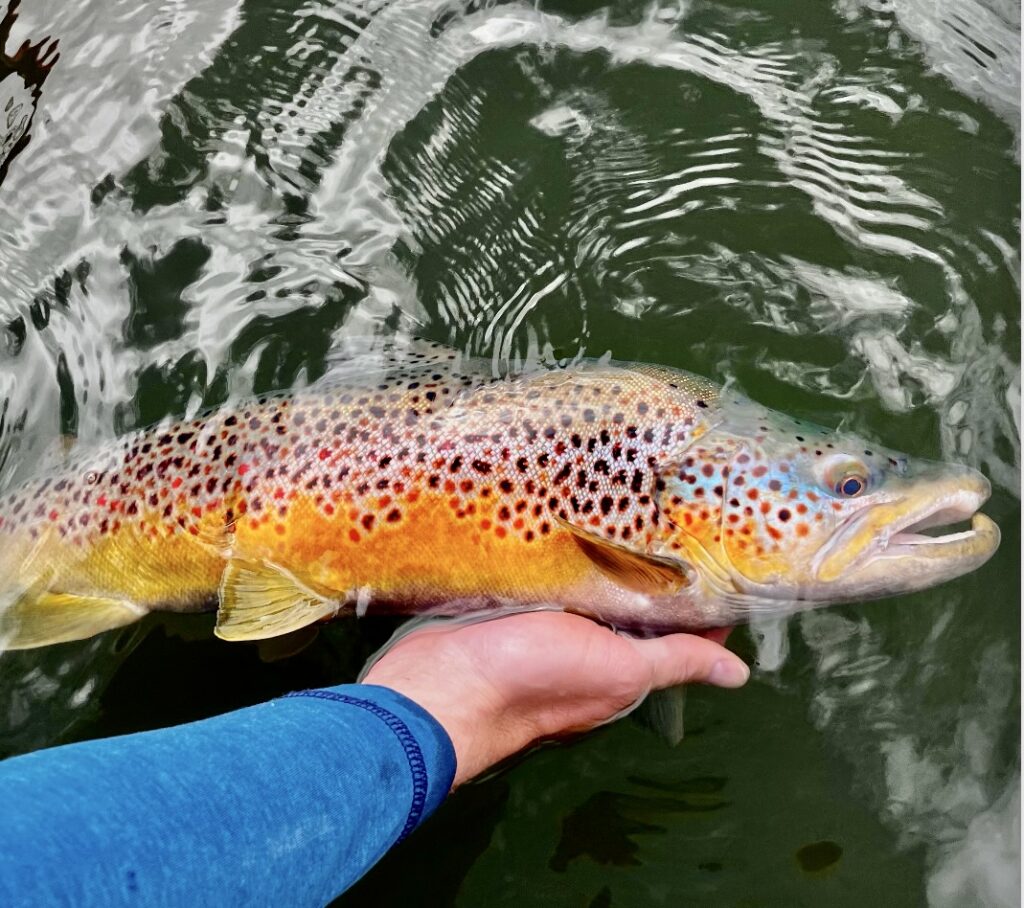
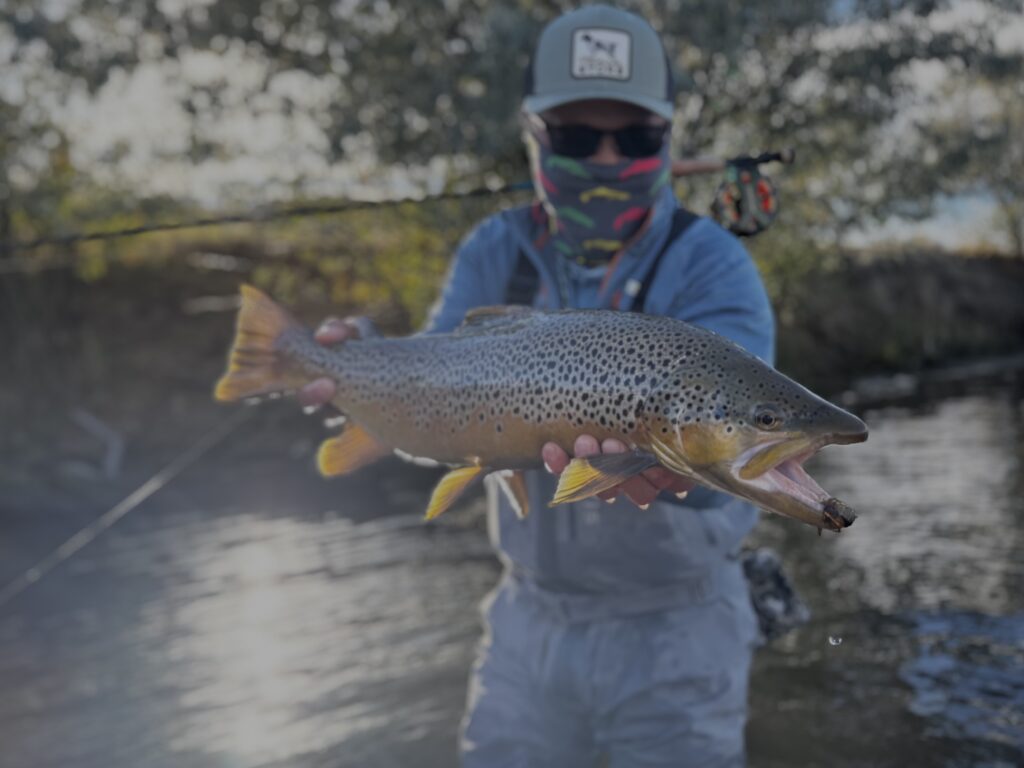
The character of L.O.G. shifts once again as cooler days and crisp mornings settle in. These changes trigger trout to feed with urgency, packing on calories before winter takes hold. For many anglers, this is a favorite time of year, especially for those who love swinging or stripping streamers. Big browns and rainbows grow noticeably more aggressive, willing to chase down well-presented flies with conviction. Add in the rich autumn colors along the riverbanks and the deepening hues of the fish themselves, and it’s hard to argue there’s a more visually striking or exciting season on the water.
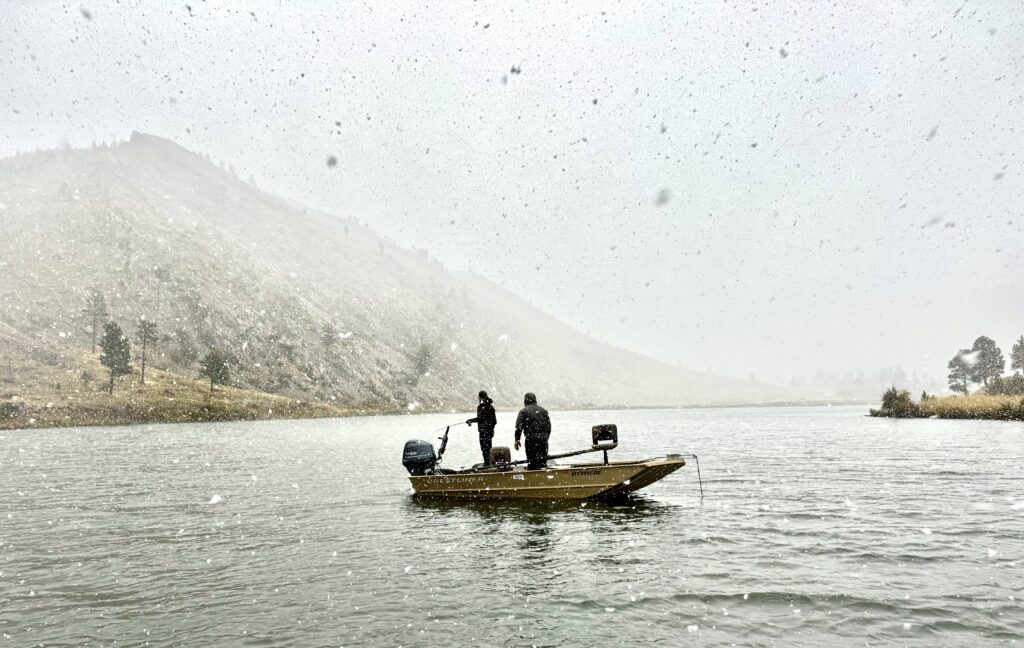
Winter
Though quiet, this season still holds real opportunity for those willing to brave the elements. On mild days, the fishing can be downright magical. Swinging small streamers with a two-handed spey rod or probing the deeper runs with nymphs. With the crowds long gone, the river settles into a slower rhythm. There’s a sense of peace out there, and often the solitude alone is reason enough to make the trip.
Wildlife and Geology
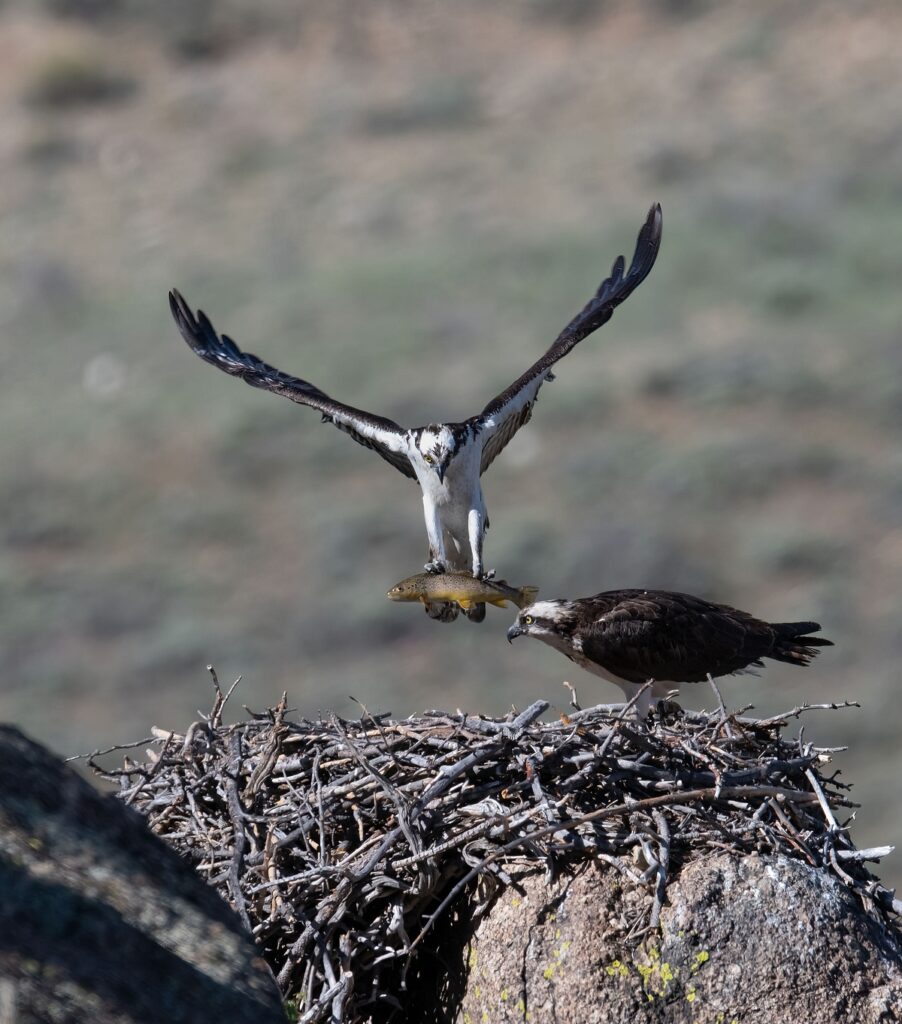
In addition to fly fishing, the Land of Giants area is also known for its abundant Montana wildlife. It’s not uncommon to see bald eagles, bighorn sheep,osprey, beavers, otters, and other wildlife along the river. The Land of Giants section of the Missouri River is a must visit destination for any flyfisher. With breathtaking scenery, crystal-clear waters, and massive trout, this stretch of river is truly a fly-fishing paradise.
When to Book Your Land of Giants Trip
Fly fishing the Land of Giants offers some of Montana’s most exclusive angling, and that exclusivity extends to access itself. The number of outfitters and guides permitted to operate in this section is strictly limited, making availability tight throughout the season. Peak season trips—particularly late June through August—fill quickly.
Our recommendation: contact us as early as you’re considering a Land of Giants adventure. These trips typically book 8-12 months in advance. Cancellations and schedule changes occasionally create unexpected availability, so it’s always worth checking.
Rates
Full Day Trip: $825 per boat (1-2 anglers)
Includes guide, jet boat, all gear, flies, lunch, and instruction.
406-465-1688
What Anglers Are Saying
★★★★★ 100 Five-Star Reviews on Google
★★★★★ 69 Five-Star Reviews on Orvis
“If you’re looking for a fly fishing trip of a lifetime, no need to look any further. Remarkable fishing, great guides and spectacular scenery. Already booked for June 2026.”
— Diane & Scott, North Carolina
“Absolutely epic two days with Living Water. Crushed massive brown trout and rainbows on the Missouri, then headed out to Land of the Giants — it definitely lived up to its name. Biggest fish we ever caught on the fly.”
— Dillon
“I have fished with over 30 guides throughout my lifetime and can honestly say Jeff is the best. Hard working, excellent fisherman, very knowledgeable, and his demeanor makes for a positive environment on the water.”
— Brett M.
“Jeff is one of the nicest, most patient guides out there — and you will learn a ton. The mighty Mo really lives up to the hype, and you shouldn’t do it unless you’re with Jeff or one of his guides.”
— Nelson Oxley, Flylords
“This is my favorite fly fishing experience. The guides were supportive and instructive for all skill levels. We loved Living Water Guide Service and have already booked for next year.”
— Kathy & Steve
“Before our trip, my wife and I had never flyfished for trout and neither of us had ever been to Montana. John was very knowledgeable, gave clear instruction, and was extremely patient with us learning. It wasn’t long before we had both boated our first trout — they were much larger than I anticipated. I highly recommend Living Water Guide Service.”
— Joey Putnam
“My dad and I have had multiple fly fishing trips to Montana and I can honestly say this year’s trip with Living Water was the best one yet. The personalized service and tailored approach allowed us to customize our trip on the fly depending on conditions — which differentiated Living Water from other guides in the area.”
— Davis Tice
“Had an epic day on the Missouri with these guys. Trip of a lifetime. David was our guide and we couldn’t stop catching monster fish. Definitely recommend these guides.”
— David
(406) 465-1688