
The fly fishing guide world is as diverse as the waters they work, from the vast flats of the Florida Keys to the technical tailwaters of Montana’s Missouri River. Plenty of guides can put clients on fish. The truly great ones deliver something far beyond that. The difference comes down to how they teach, how they show up, and yes — even how they smell. Here’s what sets the exceptional apart from the average.
The Ability to Teach – Not Just Find Fish
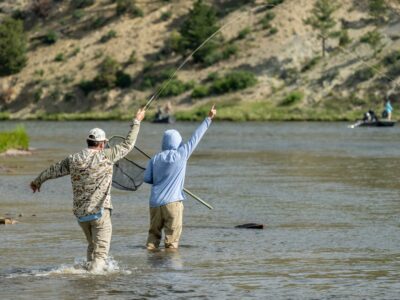
A good guide knows where the fish are. A great guide makes you a better angler. Whether it’s helping a first-timer find their cast on the Missouri River or cleaning up a seasoned angler’s double haul, great guides tailor their coaching to the individual in front of them.
Patience isn’t optional — it’s the job. A great guide never makes a client feel inadequate regardless of skill level. They break techniques down clearly, know when to step in and when to let you work it out, and their goal isn’t just to help you catch fish today. It’s to make you a better angler for life.
Attitude on the Water
We’ve all heard the stories — the burned-out guide who acts like he’d rather be anywhere else. Too many long seasons, too many clients who can’t cast. Whatever the reason, nothing kills a fishing trip faster than a disengaged guide with a chip on his shoulder.
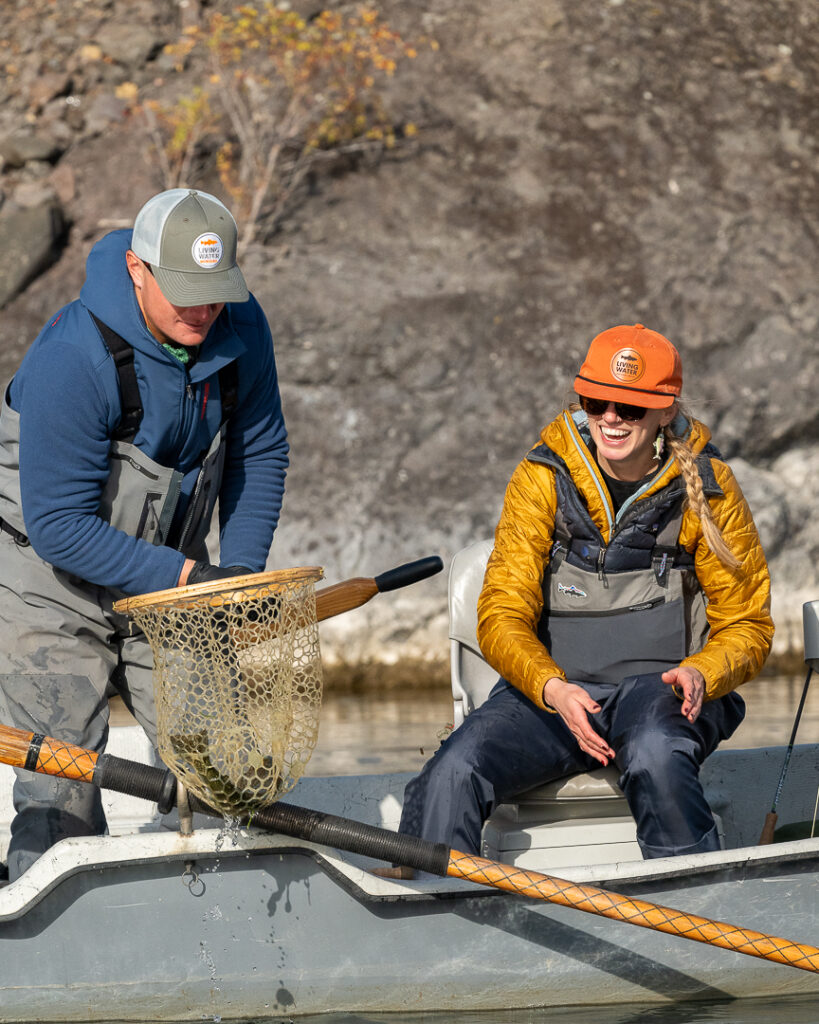
Great guides stay enthusiastic regardless of conditions. When the bite is hot they’re fired up. When the fish have lockjaw they keep spirits high and their anglers focused. They celebrate small wins — a perfect cast under an overhanging bank, a well-executed mend — and they never lose their sense of humor. Every client should feel like they’re on an adventure, not just another name in the booking calendar.
Preparation and Equipment
A guide’s gear tells you a lot about their professionalism. Good guides show up with the basics covered. Great guides show up with everything dialed in — clean lines, fresh leaders and tippet, fly boxes organized and stocked for the day, and a boat that’s ready to fish the moment you step in.
The best guides also anticipate needs before they come up. Extra rain gear, spare sunglasses, reels rigged for both left and right-handed anglers, and even lunches or drinks tailored to client preferences — that level of thoughtfulness doesn’t go unnoticed.
Cleanliness and Personal Hygiene
It might not be the first thing you think about when booking a trip, but it matters more than most guides realize. A dirty, cluttered boat is frustrating and unsafe. Loose hooks and yesterday’s crushed pop can on the deck don’t exactly inspire confidence.
Great guides take pride in their workspace. Their boats are clean and organized, their rigs are in order, and they put in the basic effort to present themselves professionally. You don’t need a pressed shirt — just a clean one. A little effort goes a long way and clients notice.
Reading the Client
Not every angler wants the same experience. Some are there to maximize every cast and fish hard all day. Others want to relax, take in the scenery, and enjoy being on the water. Great guides read the room quickly and adjust accordingly — whether that means delivering technical instruction or simply being a great conversation partner on a long float.
Experience Across Multiple Fisheries
Guides who have worked multiple fisheries bring a depth of knowledge that’s hard to replicate. A guide who’s rowed drift boats in Montana, poled salt flats in the Keys, and chased steelhead in the Pacific Northwest sees the water differently. That versatility makes them creative, adaptable, and better equipped to problem-solve when conditions get tough.
The Bottom Line
Good guides get the job done. They know the water, understand the fish, and put you in position to succeed. Great guides take it further — they teach with patience, show up prepared, keep things professional, and create an experience you’re still thinking about weeks later.
The best fishing guides leave you counting down the days to your next trip. That’s the standard worth holding out for.

 What is an Orvis Endorsed Outfitter?
Leave a Reply