
Practice for a Better Fly Fishing
I’ve guided a lot of first-timers. And one thing I see over and over is someone showing up to the river with brand new gear, a great attitude, and casting mechanics they haven’t touched since last September. By 10am they’re frustrated. By noon I’m coaching more than guiding. Not because they’re a bad angler — but because the rust doesn’t shake off the moment you step in the boat. A little practice before your trip changes everything.
Practice Makes Progress
Fly fishing is a physical skill. Casting especially — it’s timing, muscle memory, and feel. You can read every article on the internet about mending and presentation, but none of it matters if you can’t get the fly where it needs to go. You don’t need a river to practice. Grab your rod, head to a park or your backyard, and put in a few sessions before your trip. Work on your timing. Practice accuracy over distance — a tight, accurate cast at 30 feet will catch more fish than a sloppy cast at 60. If you know you’ll be fishing windy conditions, practice in the wind. The more uncomfortable the conditions you train in, the more composed you’ll be when it counts. Think of it like any other sport. You wouldn’t show up to play golf after a year off the course and expect to shoot your best round. Fly fishing is no different.
Your Guide Can’t Cast for You
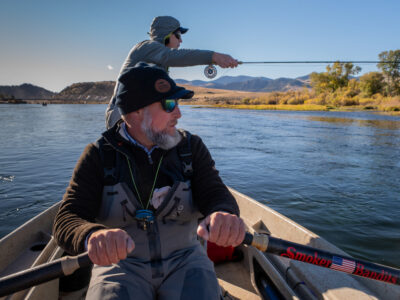
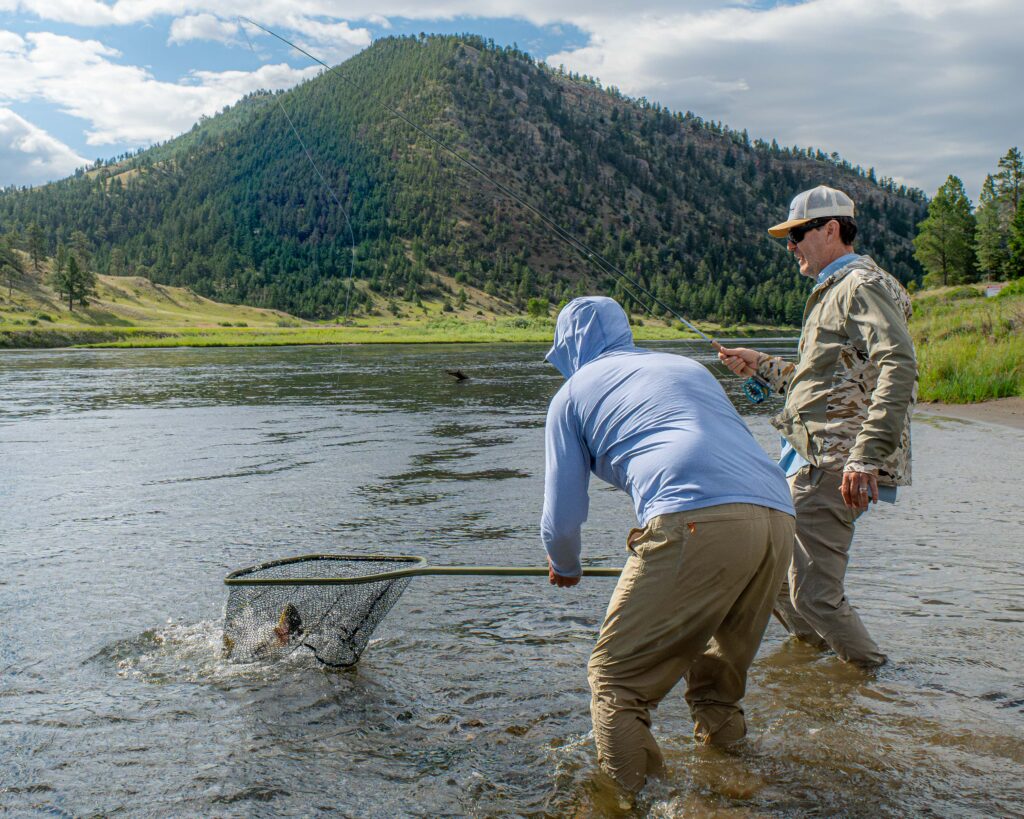
This is the honest truth that every guide thinks but doesn’t always say out loud: we can put you on fish, but we can’t catch them for you. A good guide will read the water, pick the right fly, position the boat, and tell you exactly where to cast. But if the cast doesn’t land right, or the client isn’t mending for a drag free drift, the fish wins. That’s just the nature of it. When a client shows up with a decent cast — not perfect, just functional — the whole dynamic shifts. Instead of spending the morning on casting basics, we’re talking about presentation, reading rises, and the subtle stuff that actually makes a day in a drift boat special. The trip becomes a collaboration. That’s when it gets really fun.
Turn High Hopes into High Performance Angling
The anglers who have the best guided trips aren’t always the most experienced. They’re the most prepared. They’ve put in a few hours before the trip, they show up confident, and they’re ready to build on what they know rather than rebuild from scratch. That preparation pays off in ways you’ll feel all day — smoother casts, better presentations, more fish, and more time actually enjoying the river instead of grinding through the basics.
A Small Investment of Time
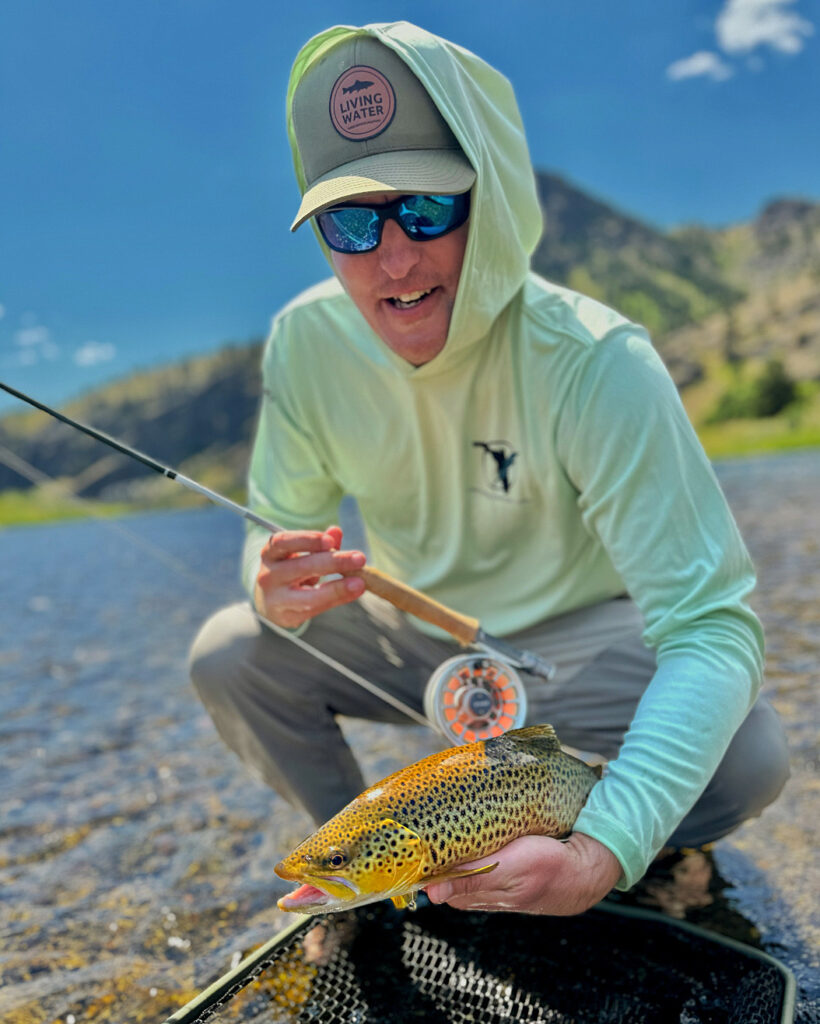
You don’t need to spend hours on this. A handful of 20-minute sessions in the weeks before your trip is enough to wake up your muscle memory and sharpen your timing. Windy days are actually great for practice — they’ll expose the flaws in your casting and force you to fix them before you’re standing in a drift boat. If you want structured help before your trip, consider a lesson at your local fly shop or Orvis store. Find free fly fishing lessons at your local Orvis Store.
In the End, Fly fishing is about the Journey
Catching fish is the goal, but it’s not the whole story. The rhythm of a good cast, the quiet of an early morning on the river, the moment a fish takes your fly — those things hit differently when you’re not white-knuckling your way through the mechanics. When you show up prepared, you get to actually be present for all of it. That’s what makes a guided trip worth remembering. A little preparation goes a long way. You’ll thank yourself when you’re on the water. “It’s not the fly.”

 Backcountry Fly Fishing Montana
Lot’s of solid advice here.
Thanks for the comment Kent. A little practice goes a long way.