

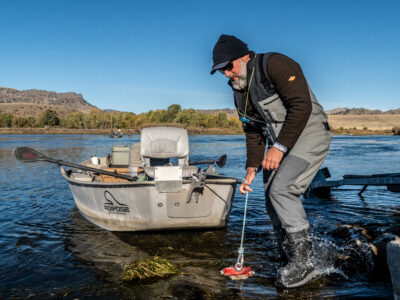
Holter Dam stands as more than a concrete barrier across the Missouri River, it’s the cornerstone of one of North America’s finest trout fisheries. Completed in 1918 near the Gates of the Mountains, this hydroelectric dam transformed a warm-water river into the legendary tailwater that anglers know today. Understanding Holter Dam’s role helps explain why the Missouri River below it has become synonymous with world-class fly fishing.
Holter Dam’s Impact on the Missouri River
Controlling outflows transformed the Missouri River through what’s known as the “tailwater effect.” Water released from Holter Lake is measured in cubic feet per second (CFS), ensuring a consistent flow of cold water year-round. That steady outflow creates an environment ideal for trout, stable temperatures, predictable flows, and abundant food. The result is a wild rainbow and brown trout fishery that rivals anything in the country.
Insect Hatches below Holter Dam
One of Holter Dam’s most significant impacts has been creating conditions that support exceptional insect diversity and abundance. The stable water temperatures and consistent flows allow aquatic insects to thrive, producing the reliable hatches that define Missouri River fly fishing.
Pale Morning Duns (PMDs)
The Missouri River’s signature hatch, Pale Morning Duns emerge from late May through August, creating technical but rewarding dry fly fishing. These mayflies (size 16-18) hatch in massive numbers during late morning through early afternoon, bringing trout to the surface in predictable feeding patterns. The extended hatch period, much longer than on freestone rivers results directly from Holter Dam’s temperature regulation.
Trout become selective during heavy hatches, refusing poorly presented flies. However, anglers who master the nuances of PMD fishing experience some of the finest technical dry fly opportunities anywhere.
Trico Mayflies
From July through September, tiny Trico mayflies (size 20-24) create morning feeding frenzies that challenge even experienced anglers. These insects emerge at dawn, mate, and fall spent on the water’s surface by mid-morning. The resulting spinner fall triggers selective feeding as trout sip thousands of tiny insects from narrow feeding lanes.
Trico fishing demands accuracy, delicate presentations, and patience. Trout hold in specific lies and refuse flies that drift even slightly off course. Success requires matching not just the insect but also the drift and presentation style trout expect.
Blue-Winged Olives
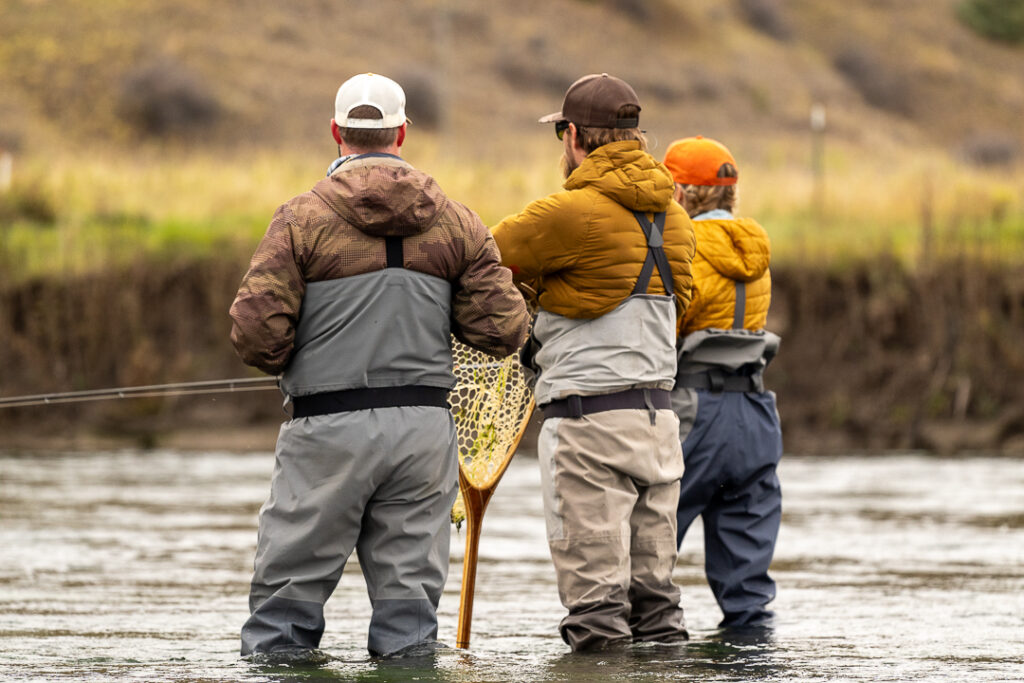
Blue-Winged Olives dominate spring and fall fishing. These small mayflies (size 18-20) provide reliable surface activity when conditions are right. Unlike some hatches that occur on strict schedules, BWOs respond to weather, often hatching throughout the day during optimal conditions.
Spring and fall BWO hatches coincide with periods of lighter fishing pressure, offering exceptional opportunities for anglers willing to brave cooler weather. The combination of rising trout and fewer competing anglers makes BWO season a favorite for many Missouri River regulars.
Caddisflies
Caddis activity on the Missouri River extends from April through October, with peak activity during evening hours throughout summer. These robust insects (size 14-18) trigger aggressive surface feeding, providing welcome relief from the technical demands of mayfly hatches. Trout chase caddis willingly, allowing slightly heavier tippet and less precise presentations.
Evening caddis fishing as the sun drops below the canyon rim ranks among the Missouri River’s most enjoyable experiences. The combination of comfortable temperatures, active feeding, and beautiful light creates memorable days on the water.
Midges
Year-round midge activity provides a foundation for the Missouri River’s productivity, especially during winter months when other hatches diminish. These tiny insects (size 18-26) hatch throughout the day, with peak activity during warm winter afternoons. Midge fishing is technical, requiring fine tippet and small flies, but productive for anglers willing to slow down and fish deliberately.
Missouri River Fly Fishing Culture
Holter Dam has not only shaped the river banks, but it has also played a vital role in fly fishing. Small towns like Wolf Creek and Craig have become iconic ‘trout towns,’ where fly shops hum with early morning energy, guides rig rods. Holter Dam’s creation of world-class fishing transformed not just the river but the communities along it. Small towns that once relied on agriculture and ranching have evolved into iconic “trout towns” where fly fishing shapes daily life and local economy.
Craig, Montana
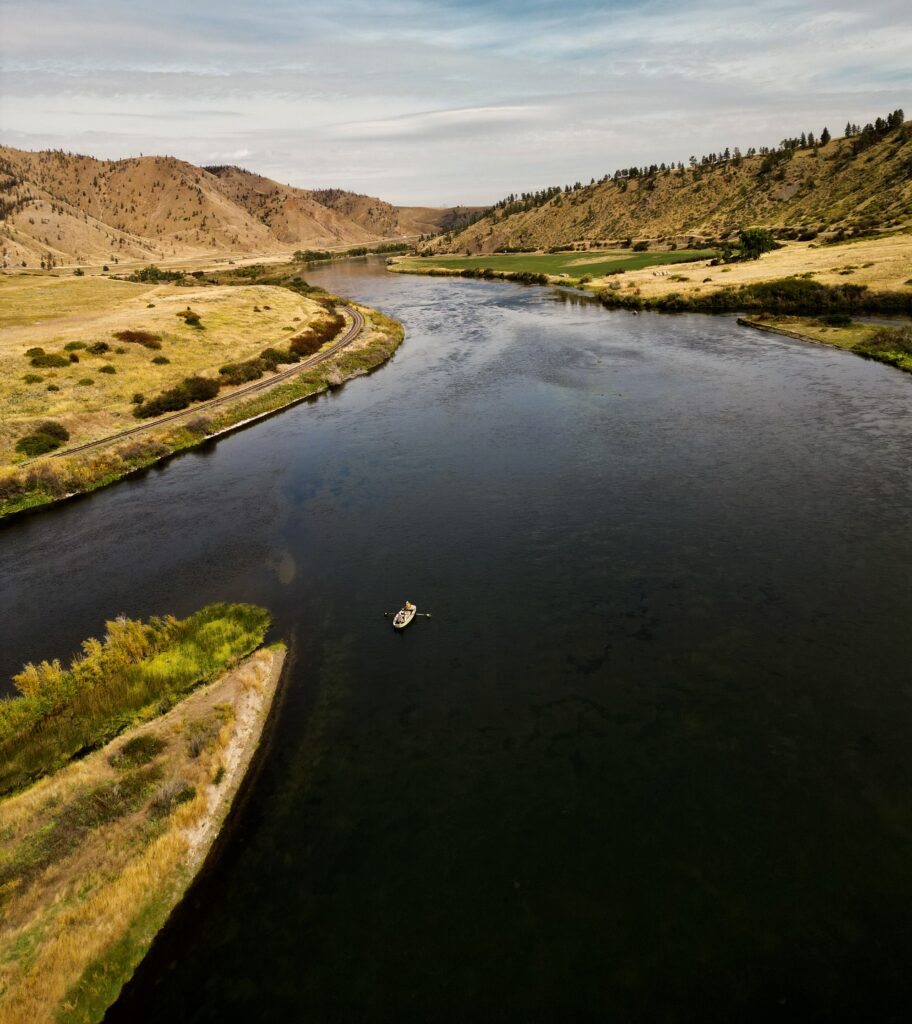
Craig sits at the heart of the Missouri River fishery, a town of barely 50 residents that exists almost entirely around fly fishing. During peak season, the population swells with guides, visiting anglers, and fishing industry workers from across the country. It’s a place where fishing reports get traded like social updates, friendships form at the boat ramp, and the rhythm of the river sets the pace for everything else. If you want to experience what a true trout town looks and feels like, Craig is it.
Wolf Creek
Located just downstream from Holter Dam, Wolf Creek provides access to the upper Missouri and serves as a gateway to some of Montana’s finest fishing. The community maintains its small-town character while supporting a thriving guide industry. Wolf Creek’s proximity to Helena makes it an easy day-trip destination, while its riverside location keeps it a favorite for anglers looking for the full Missouri River experience.
Economic Impact
The fishery Holter Dam created has real economic weight. Lodging, restaurants, gas stations, and outfitters all run on the steady stream of visiting anglers. During peak season, fishing-related tourism is the primary economic driver for Craig and Wolf Creek. That economic reality has created strong local support for conservation, protecting the fishery means protecting livelihoods, and people here understand that.
Conservation Efforts for the Missouri River
The success of the Missouri River fishery has created both opportunity and responsibility. Increased angling pressure, water management decisions, and changing climate conditions all affect the river’s future.
Catch and Release Ethics
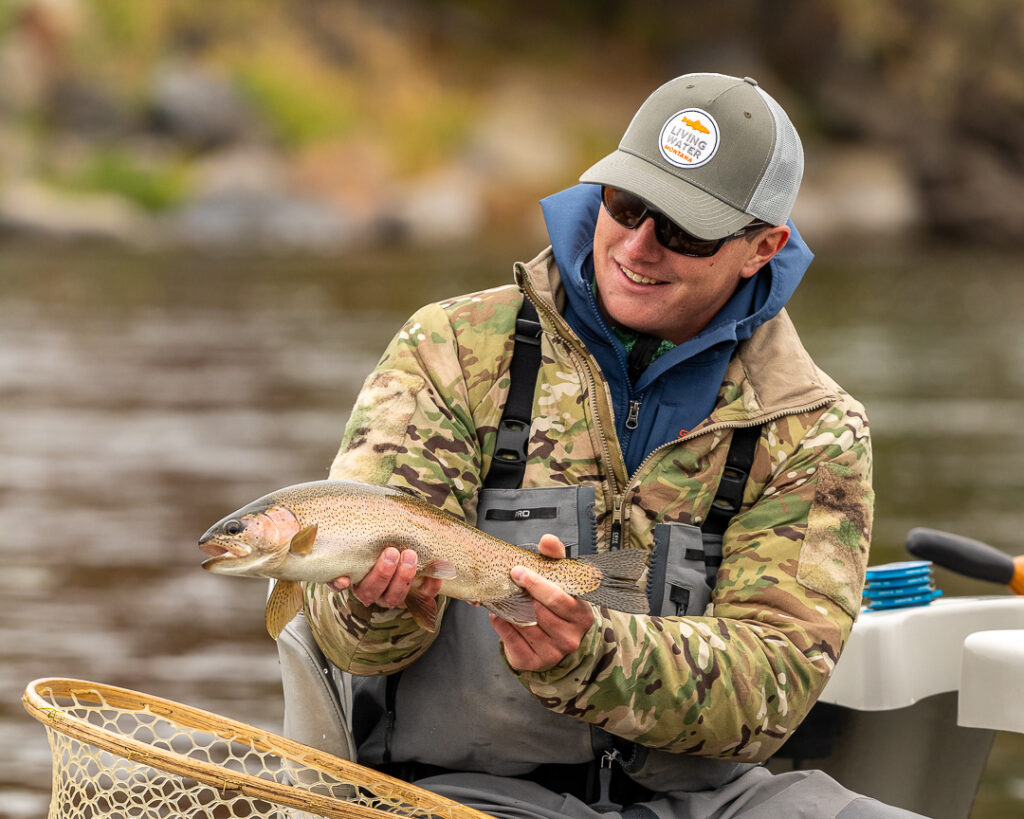
The Missouri runs primarily as a catch-and-release fishery, and most anglers here take that seriously. Barbless hooks, short fight times, keeping fish in the water during release, and avoiding fishing during extreme heat are standard practice. Guides,outfitters and local fly shops reinforce these habits every day, the fish are the resource, and everyone on the water has a stake in protecting them.
Water Management Challenges
Holter Dam’s operation balances competing demands: hydroelectric power, downstream irrigation, recreation, and environmental health. Water releases affect not just fishing quality but insect populations, water temperature, and overall ecosystem function. In drought years, low snowpack and reduced runoff can complicate releases and push water temperatures higher than trout prefer. Managing those tradeoffs requires ongoing dialogue between dam operators, fisheries managers, and the angling community and it’s a conversation that doesn’t have easy answers.
Conservation Organizations
Several organizations work to protect and enhance the Missouri River fishery. Upper Missouri Waterkeeper monitors water quality and advocates for sustainable management practices. Montana Fish, Wildlife & Parks conducts regular population surveys and adjusts regulations based on fishery health. Supporting these organizations is one of the best things anglers can do for the river beyond practicing good catch-and-release habits.

 Orvis Helios 4: A Missouri River Guide’s Review
is there an abundance of wading waters in the area?
Thank you.
Hey Joe. We have lots of great wading opportunities in our area. Feel free to give us a call. We are happy to help.