
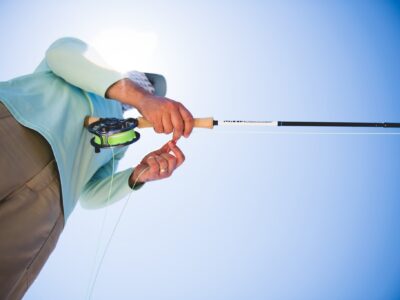
Most clients who step into the boat are fishing a 9-foot 5-weight. That’s not a coincidence — it’s the right tool for most of what we do on the Missouri. But after guiding this river year-round, I’ve learned that the difference between a good rod and the right rod comes down to what you’re actually fishing. Nymphing, dry flies, and streamers each have specific demands, and the rod that excels at one can work against you in another.
I’m an Orvis-endorsed outfitter, so I fish Orvis rods and I’m familiar with their lineup. What follows is what I actually use on the water and why — not a catalog rundown, but a guide’s honest take on what performs.
What Guides Look For In a Fly Rod
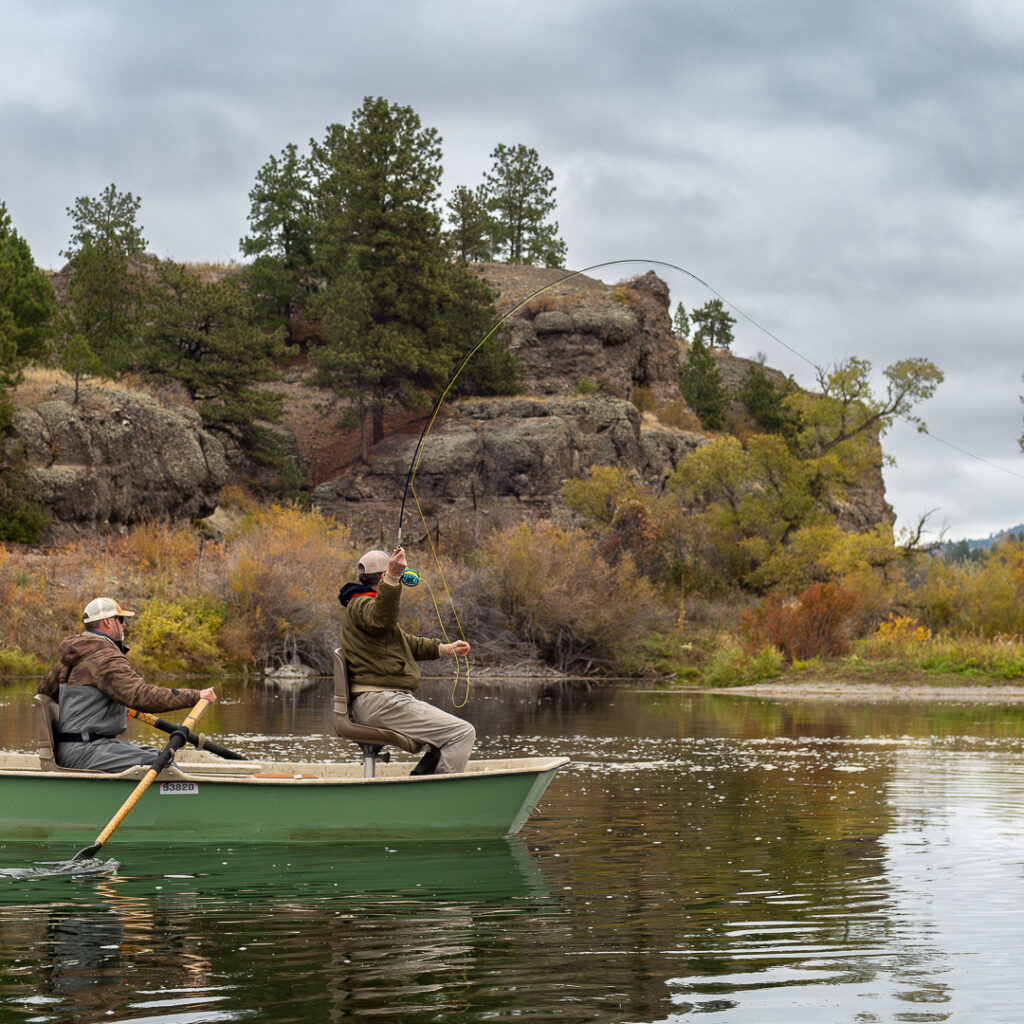
With limited space in a drift boat, most guides prefer to carry no more than four rods on a guided trip. Versatility is key, which is why guides gravitate toward rods built with quality components. High-end cork, durable stripping guides, and the right action all matter when you’re on the water day in and day out.
The second thing I consider when choosing a new rod is the warranty and customer service. As a fly fishing guide, I see a few broken rods each season—whether from high-sticking a fish or an unfortunate misstep in the drift boat. Broken rods are simply part of the job, and a solid warranty paired with responsive customer service makes all the difference.
Lastly—and perhaps most importantly—is how the rod feels in hand and its overall action. While there’s no true one-size-fits-all rod, it’s hard to beat a premium 9-foot 5- or 6-weight. These rods cover the vast majority of situations an angler will encounter on the river.
A Rod for Technical Dry Fly Fishing
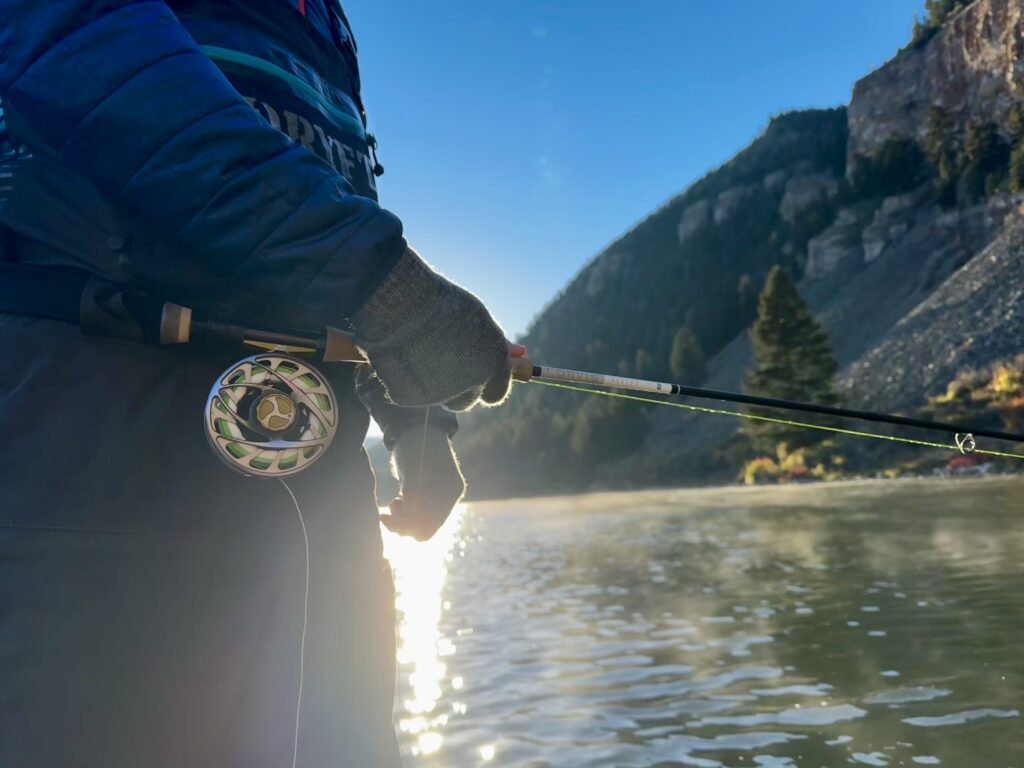
On the Missouri, dry fly fishing means small flies, selective fish, and presentations that have to be right the first time. My go-to is the Orvis Helios F — the “F” stands for finesse, and that’s exactly what this rod delivers. The 9’0″ 5-weight paired with a RIO Technical Trout line is incredibly accurate and light in hand, whether you’re threading a size 20 BWO into a seam or punching a hopper-dropper into the wind. For a deeper look at dry fly rod selection specific to the Missouri — including reel setup and leader length — check out our best dry fly rods for the Mo here.
Best Nymphing Fly Rods
Having a versatile fly rod that can handle both deep nymphing and short-leash techniques is essential. After fishing and testing several different models, I settled on the Orvis Helios 10-foot 4-weight in the D (Distance). They’ve quickly become my go-to rods for nymphing.
Paired with the Orvis Hydros line, the 10-foot 4-weight D model is especially forgiving for newer casters. The softer tip protects light tippet, yet there’s still plenty of backbone to manage heavier nymph rigs during high-water conditions.
The added length of a 10-foot rod is a big advantage when it comes to line control—mending effectively and fighting fish from a boat. For me, the Helios 4D 4-weight has become the ideal rod for both nymphing and stillwater lake fishing.
Best Fly Rod For Streamer Fishing
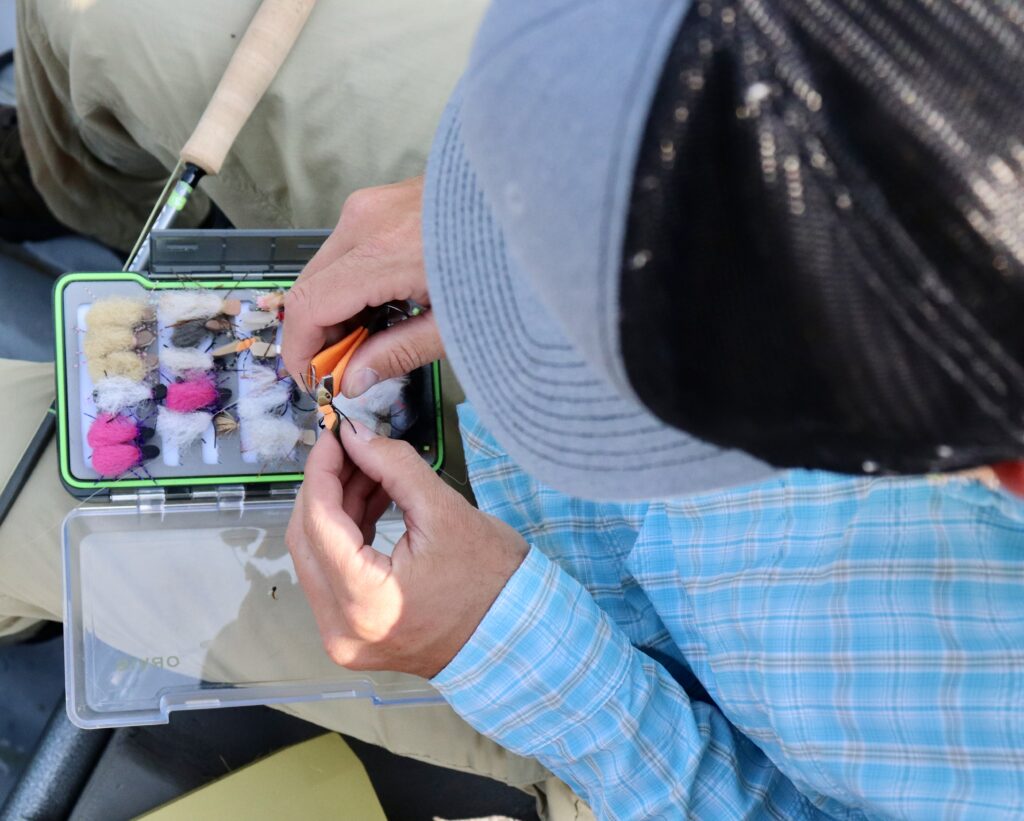
Streamer fishing involves casting large flies designed to imitate baitfish. Fast-action rods are generally preferred due to their ability to generate high line speeds and deliver powerful, accurate casts. This is especially important when casting big, wind-resistant flies or when targeting structure along distant banks. A 6 to 8-weight streamer rod is ideal for most situations, although the specific weight will depend on the size of the flies and the size of the fish in your local waters. Here in Montana, it’s hard to beat a 9-foot, 7-weight as a dedicated streamer rod.
Sinking fly lines or tips are not necessary but can help anglers present flies at different depths. If you like versatility in your streamer fishing, I recommend the Rio Trout VersiLeaders. These interchangeable leaders can connect to your floating line, making it a sink-tip line with a simple loop-to-loop connection. Being able to change the depth of water you’re targeting offers a lot of versatility in your streamer game. The streamer rods I use most are the Sage Payload and the Orvis H4D. Both of these rods generate high line speed and are very powerful.
Best Budget Fly Rods for Montana
Not every angler wants to drop $900 – $1150 on a fly rod before their first Montana trip — and you don’t have to. There are excellent rods in the $150–$350 range that will handle everything Montana throws at you.
For dry fly and nymphing, the Redington Vice (9-foot 5-weight, ~$200) punches well above its price point with a smooth mid-fast action and a solid warranty. The Echo Carbon XL 10-foot 4-weight is a fantastic nymphing option for around $200 and a great way to get into extended-length rods without the premium price tag.
For streamers on a budget, the Echo Ion XL (9-foot 7-weight, ~$300) is a workhorse rod with fast action and Echos excellent customer service behind it.
The honest truth: the rod matters less than your time on the water. Start with one of these, get to Montana, and you’ll know exactly what you want to upgrade to after a few days on the river.
The Best Fly Rods are Personal Preference
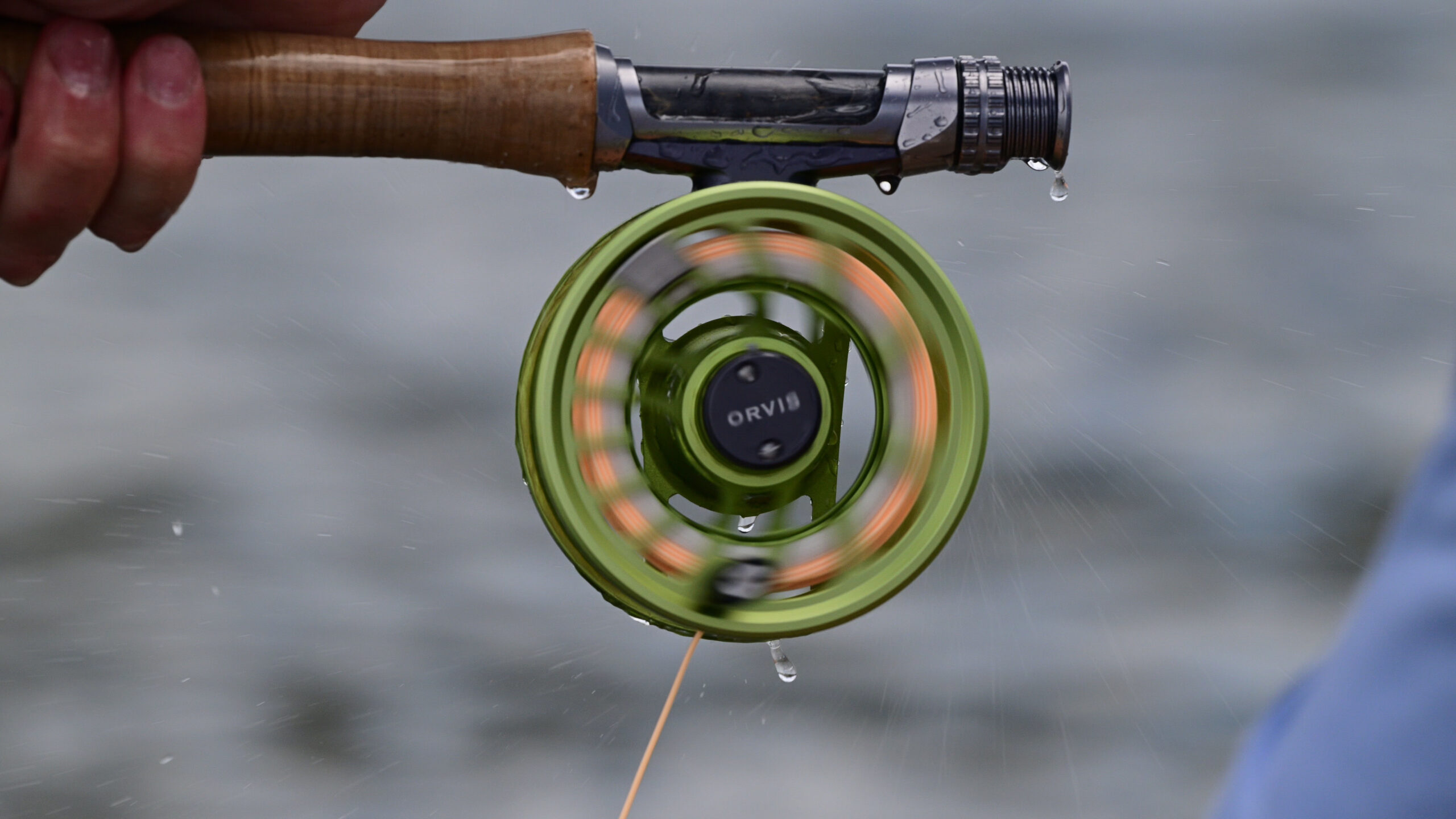
Overall, the best fly rod for fishing in Montana and its many rivers is the one that feels best to you. Whether you’re dry fly fishing DuPuy’s spring creek, nymphing on the Missouri River, or chucking woolly buggers, a 5/6 weight rod will get the job done. Visit your local fly shop, cast a few rods, and see what works best for you and your fishing style. Personally, I have been very pleased with the quality, performance, and warranty of Orvis fly rods. While floating down western rivers, you’ll see many guide boats using these rods. The H4 has really become a guide favorite and in my humble opinion the best fly rod for fishing Montana. Click the link for the full HELIOS REVIEW.

 Trophy Trout Fishing Below Hauser Dam
Leave a Reply